Motorcycle Steering Damper System – Modeling, Simulation and Integration
Problem
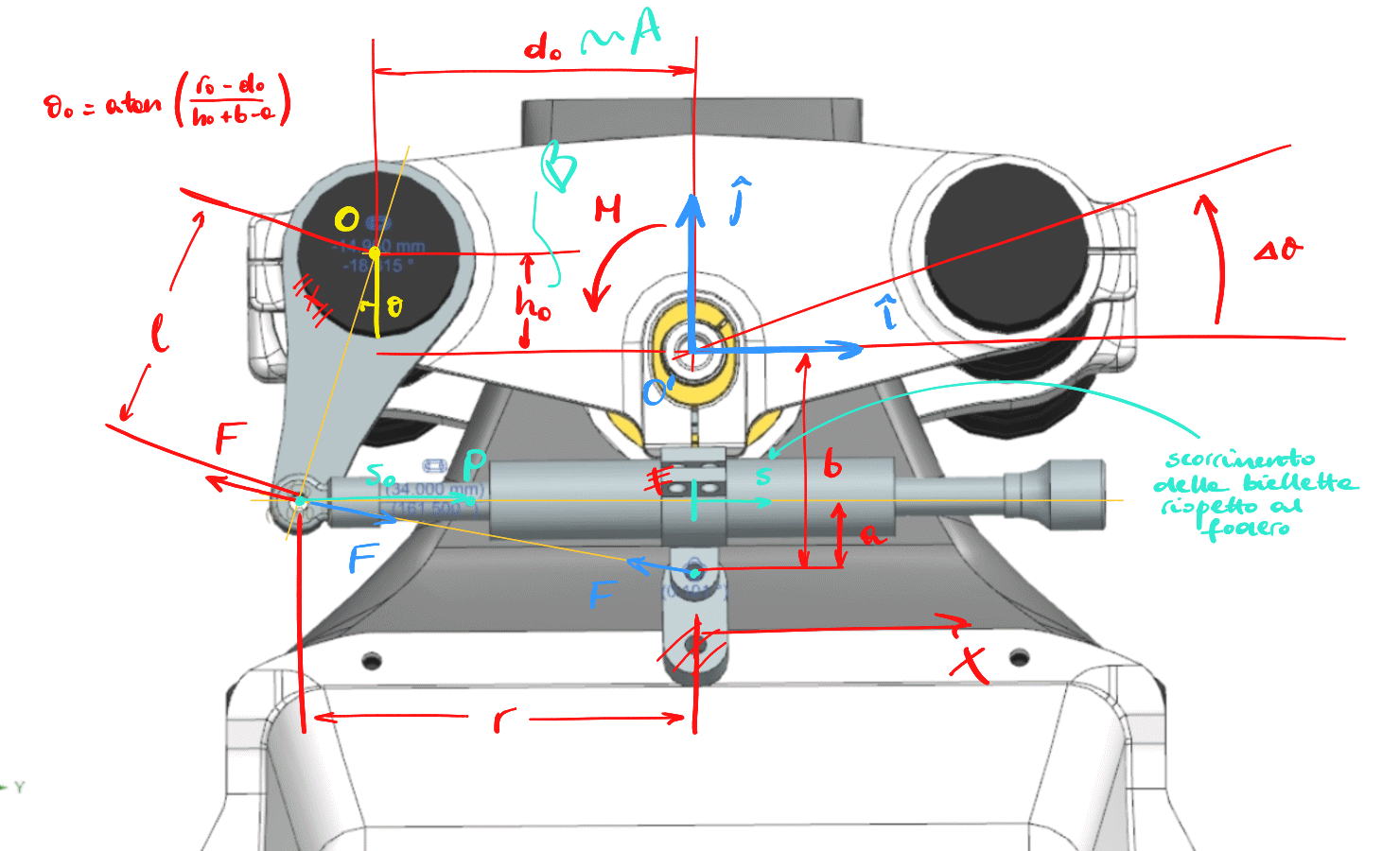
During the MotoStudent project we had to integrate a steering damper into our motorcycle, but the unit we had available was larger than ideal and created significant geometric constraints with the front fork and steering plate.
A smaller, easier-to-mount damper would have solved the issue, but the Marketing Division’s budget restrictions made purchasing a new one impossible. The challenge was therefore to design a mounting system that could accommodate the oversized damper, remain compliant with MotoStudent regulations, and still guarantee the correct steering-stability performance.
Approach
The Dynamics Division defined a feasible mounting concept: a dual-support system connecting the damper to the bike frame and the left fork. A teammate created a first CAD proposal in Siemens NX based on the entire front-end assembly, giving us the initial geometry and constraints.
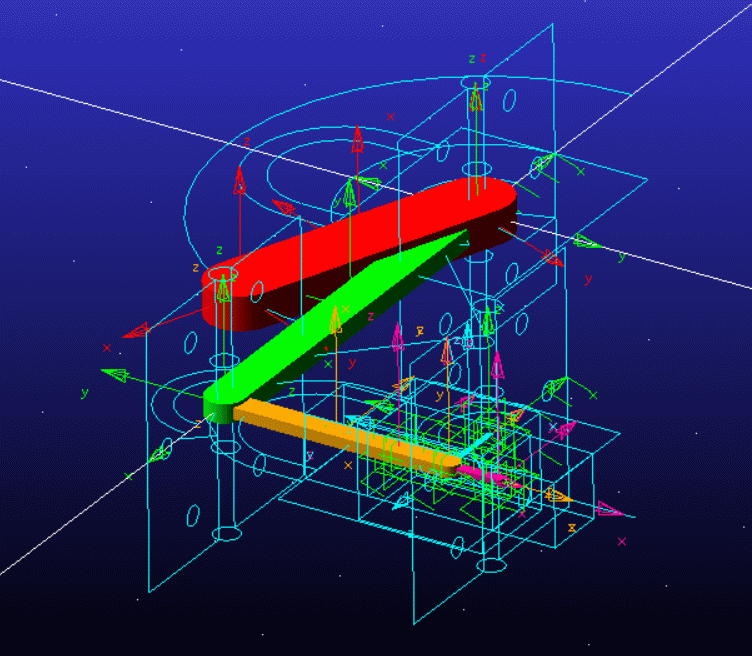
Starting from this, I worked with another colleague to export the system into MSC Adams, building the multibody model using the mass properties estimated from the CAD. At the same time, the Structures Division iterated on support stiffness, topology, and stress reliability, while we updated the dynamic model to reflect each new geometry.
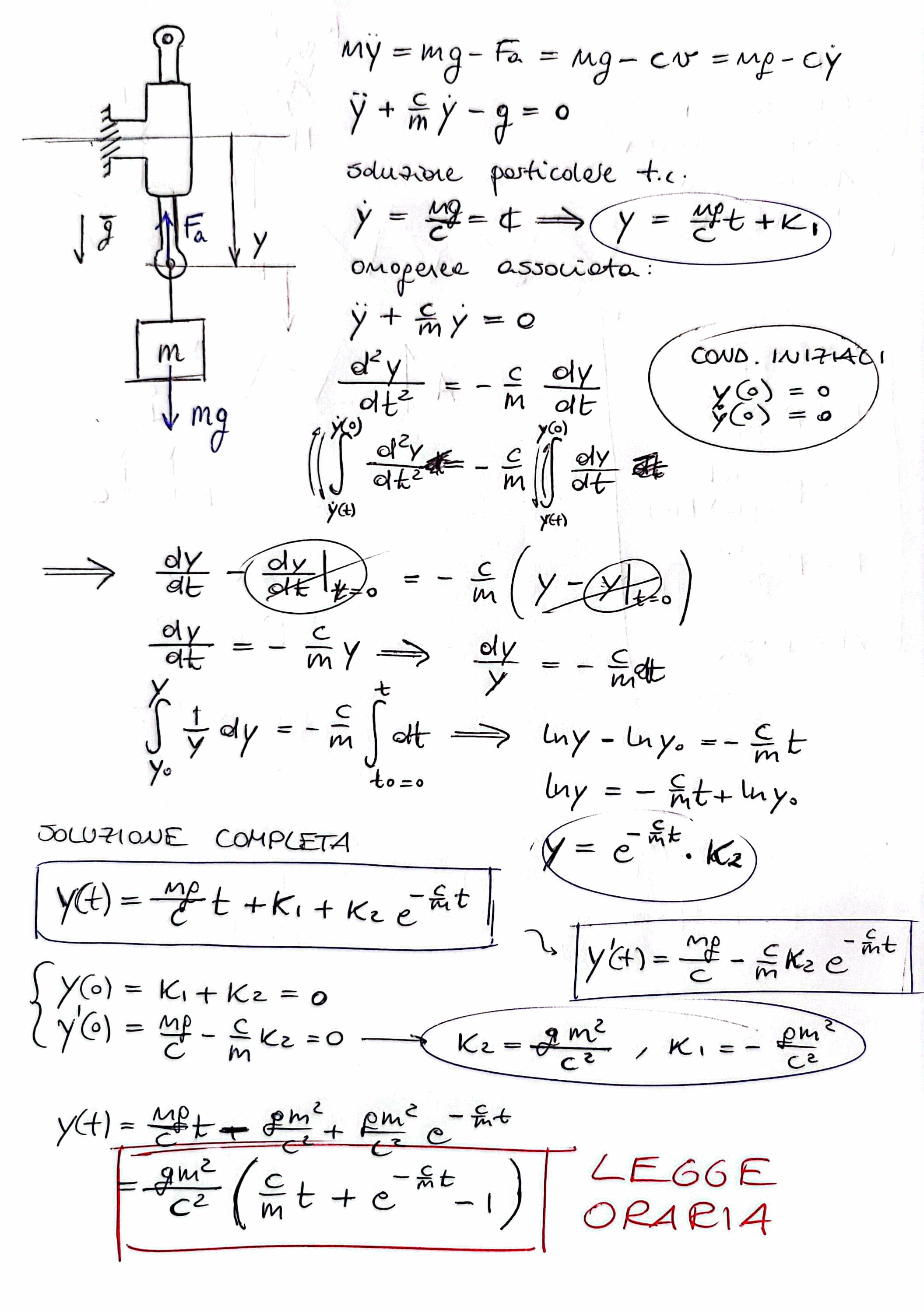
I coordinated this loop, and also led the physical testing of the damper in the workshop to measure its velocity–damping characteristics. These data fed into our Adams simulations, where we evaluated the steering response across different frequency inputs to ensure that oscillations decayed within the required time.
Solution
The final system successfully integrated the oversized damper without violating geometric or regulatory constraints. The dynamic model in Adams confirmed that the solution provided sufficient damping for steering stability, and guided the structural redesign until the supports met both performance and strength requirements.
The component was manufactured without mounting issues and performed reliably on the motorcycle, validating our combined simulation, testing, and co-design approach.