Motorcycle VI-Grade Model – Building and Validation Through Track Testing
Problem
At the start of the MotoStudent cycle, our division inherited a VI-Grade motorcycle model developed by the previous team. The issue was that none of the original members remained, and the model lacked documentation, parameter justification, and validation data.
To use it effectively for performance prediction and setup decisions, we had to re-verify every parameter and bring the model to a handling and performance level consistent with real track behavior. This required rebuilding trust in the model, understanding its structure, and comparing our simulations with reference results from the previous MotoStudent edition.
Approach
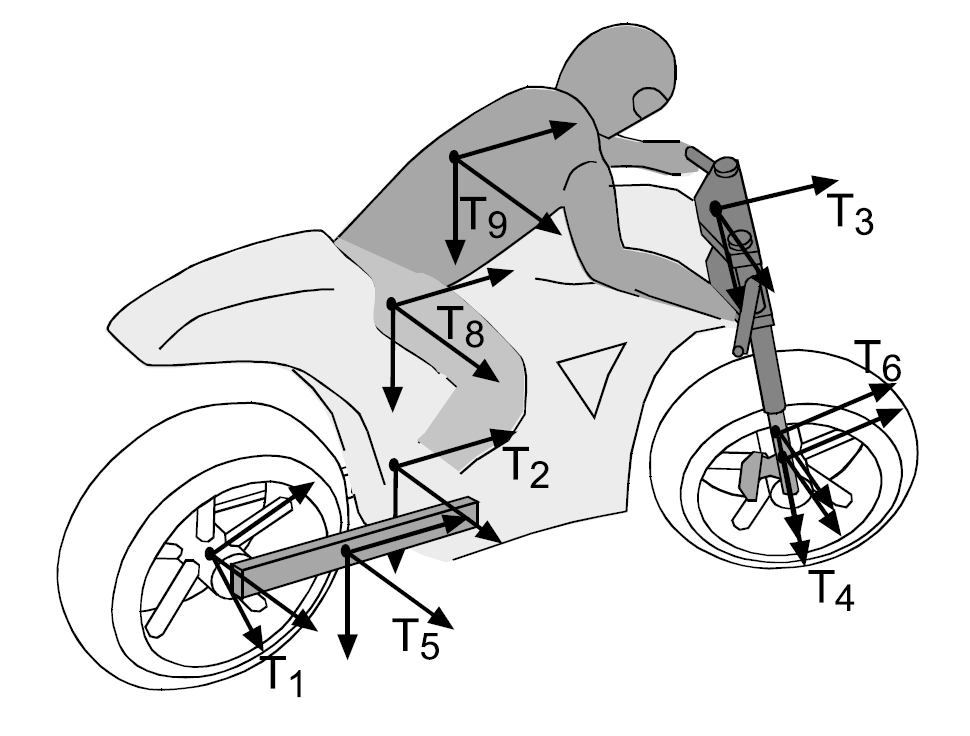
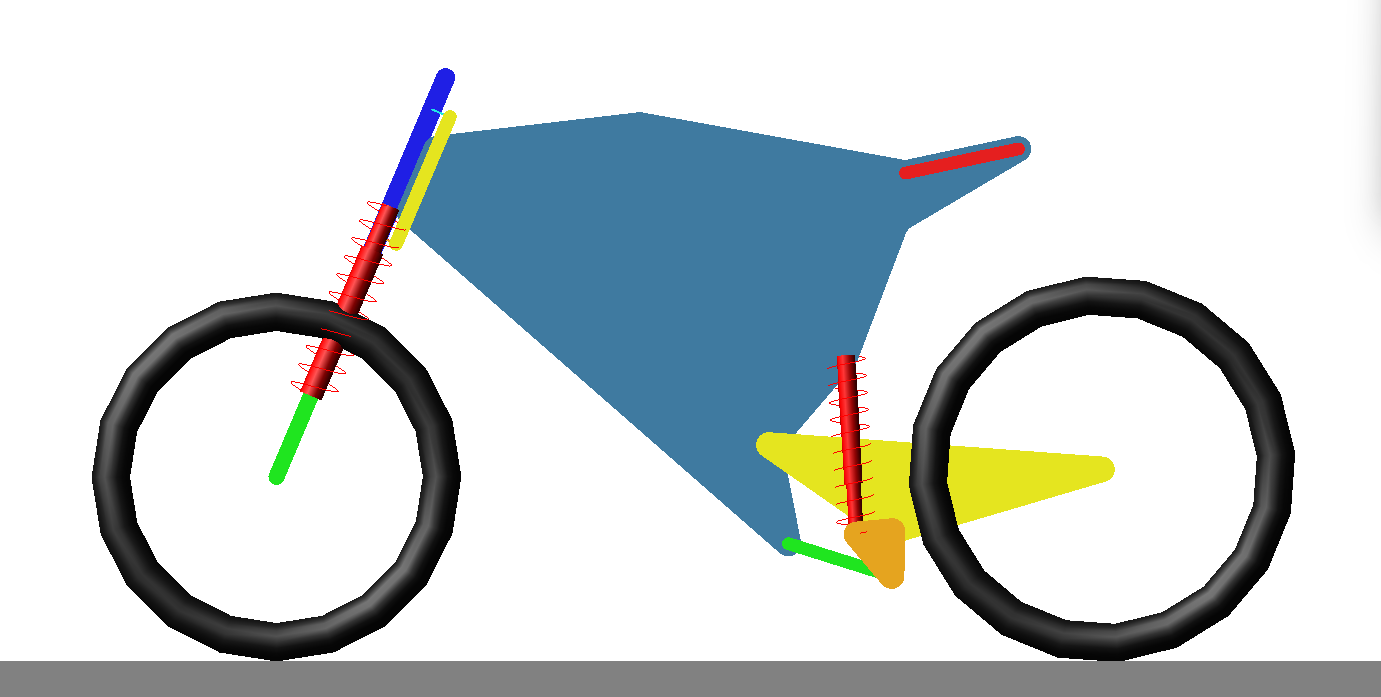
Together with a colleague, I began by recalculating mass and inertia properties directly from the CAD for each sub-assembly of the motorcycle, introducing small variations to understand model sensitivity.
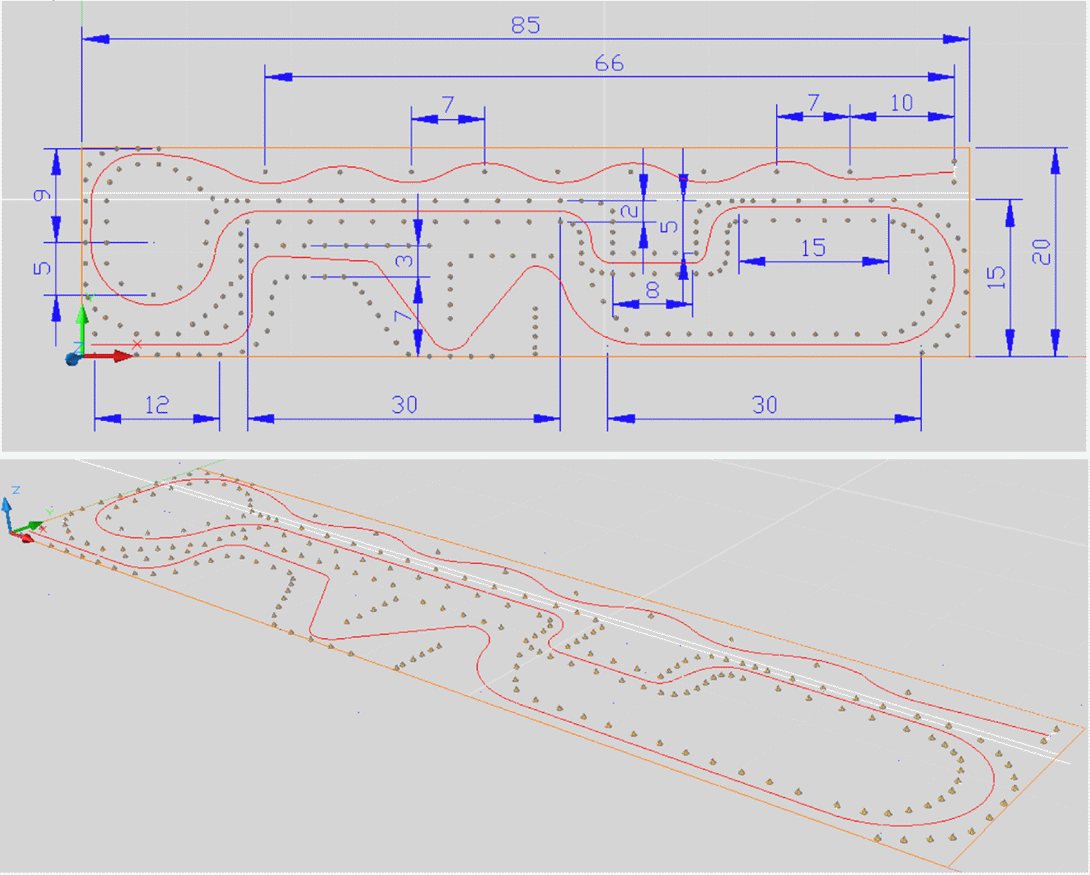
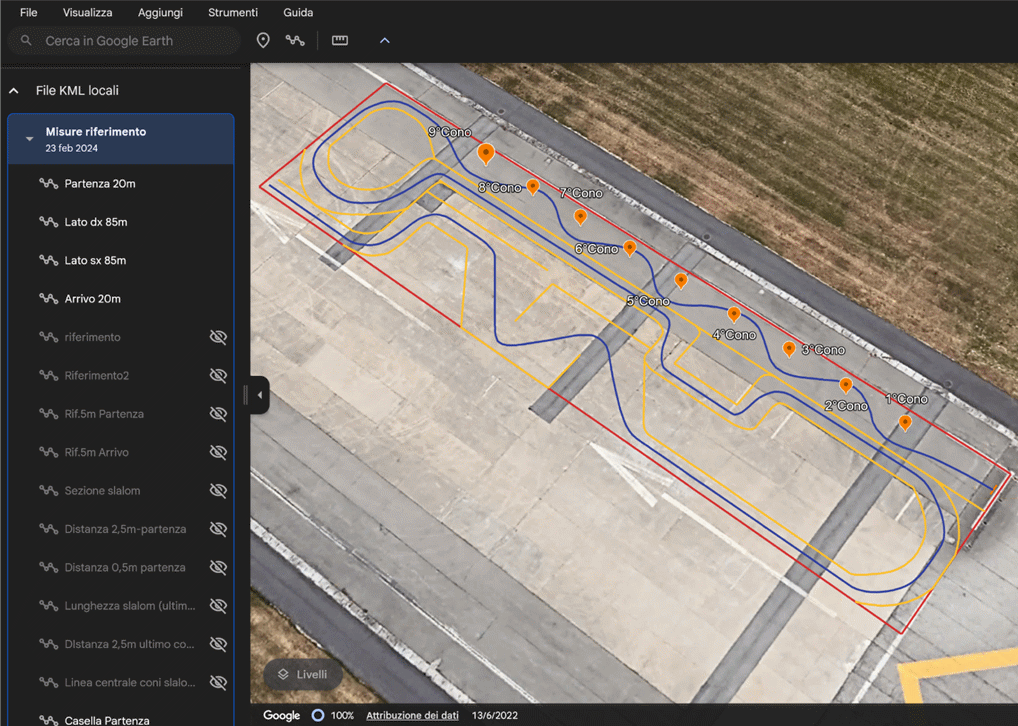
During this phase, we learned and worked with three VI-Grade environments: VI-BikeRealTime to build and tune the model, VI-Road to create the testing track, and VI-EventBuilder to program base dynamic tests such as straight-line acceleration, braking, and slalom.
The process took five to six months of continuous iteration, during which we focused on core dynamic behavior while temporarily accepting inherited models for tires and track profiles due to the enormous data volume and the fact that only two members were available.
Once the bike went on track for real testing, I took charge of downloading telemetry, processing it, and comparing it with VI-Grade output to evaluate the model’s accuracy and consistency with real performance.
Solution
The validated model showed a significant improvement compared to the version we initially inherited. Simulation lap times approached real measurements, and the gap continued to shrink as more team members joined and I transitioned into the role of Head of Simulation & Modeling inside the Vehicle Dynamics division.
The refined model became a reliable tool for setup decisions, performance estimation, and early-stage development, helping the team understand the bike’s behavior before physical testing and accelerating the overall design cycle.